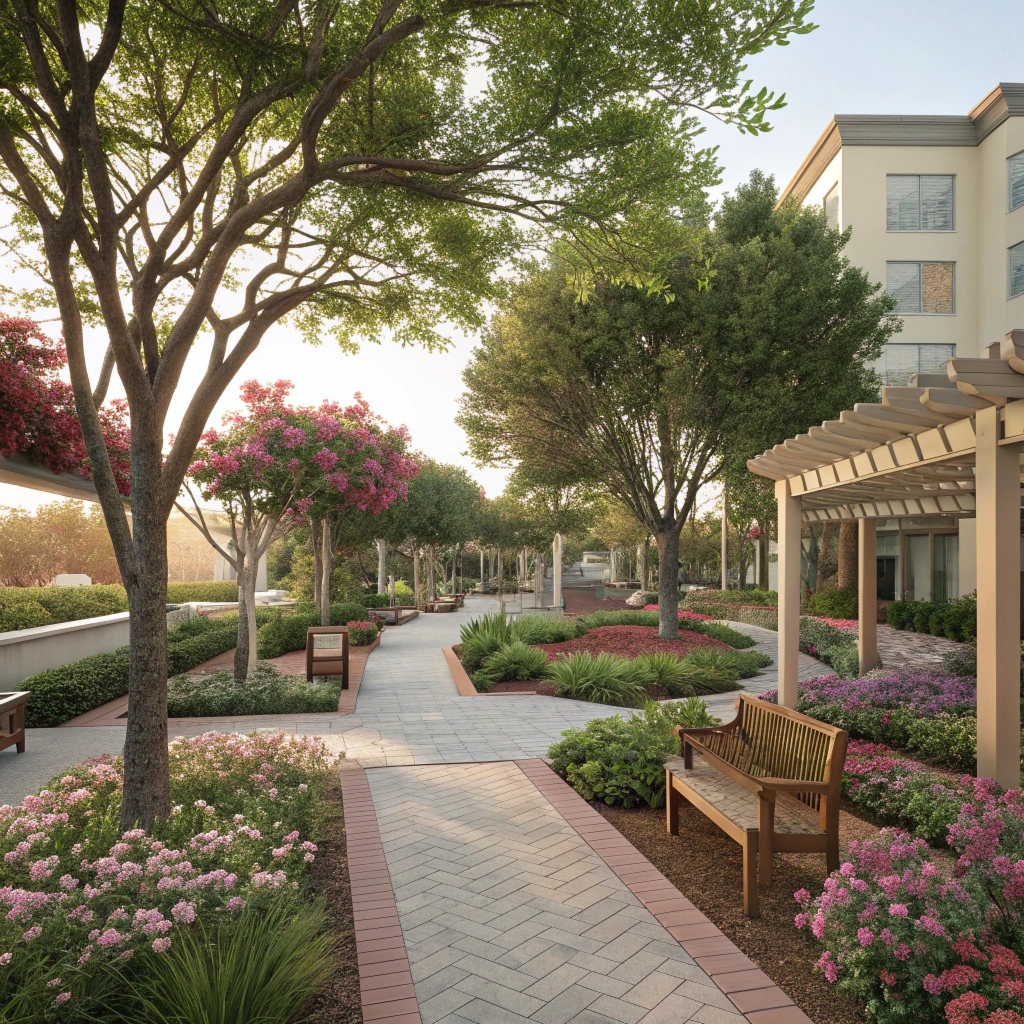
Outdoor Spatial Planning
Thoughtful landscape design for private spaces in New Zealand
Thoughtful landscape design for private spaces in New Zealand
Landscape design exists at the intersection of terrain, climate, and human intention. Our approach begins with understanding the natural context of each site—its soil composition, microclimates, existing vegetation, and the way light moves across the land throughout the day.
We consider outdoor spaces as extensions of interior living, where boundaries between built and natural environments become fluid. Each design responds to the specific character of the land, working with existing contours rather than imposing rigid geometries.
Material selection follows the same principle of contextual response. We draw from local stone, timber, and earth tones that reflect the surrounding landscape, creating surfaces that age gracefully and integrate with the natural environment over time.
Plant zoning considers not only aesthetic composition but also ecological relationships, seasonal changes, and long-term growth patterns. The result is a landscape that feels both intentional and inevitable, as if it emerged naturally from the site itself.
Working with existing landforms to create natural flow and elevation changes that guide movement through outdoor spaces.
Defining distinct areas for different functions while maintaining visual and physical connections between spaces.
Selecting surfaces and textures that respond to local conditions and create tactile experiences underfoot.
Composing plant communities that reflect natural associations and create seasonal interest throughout the year.
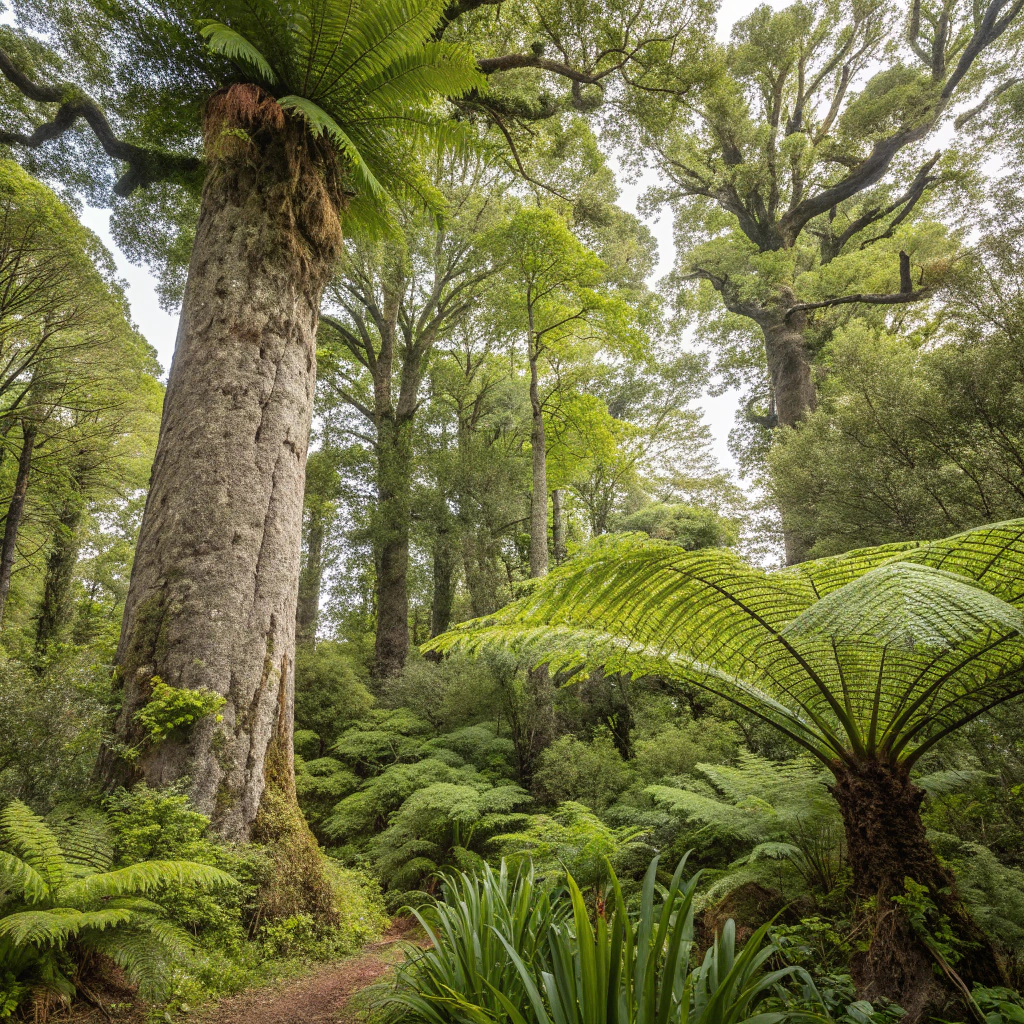
Selections from New Zealand's native flora, adapted to local conditions and supporting local ecosystems.
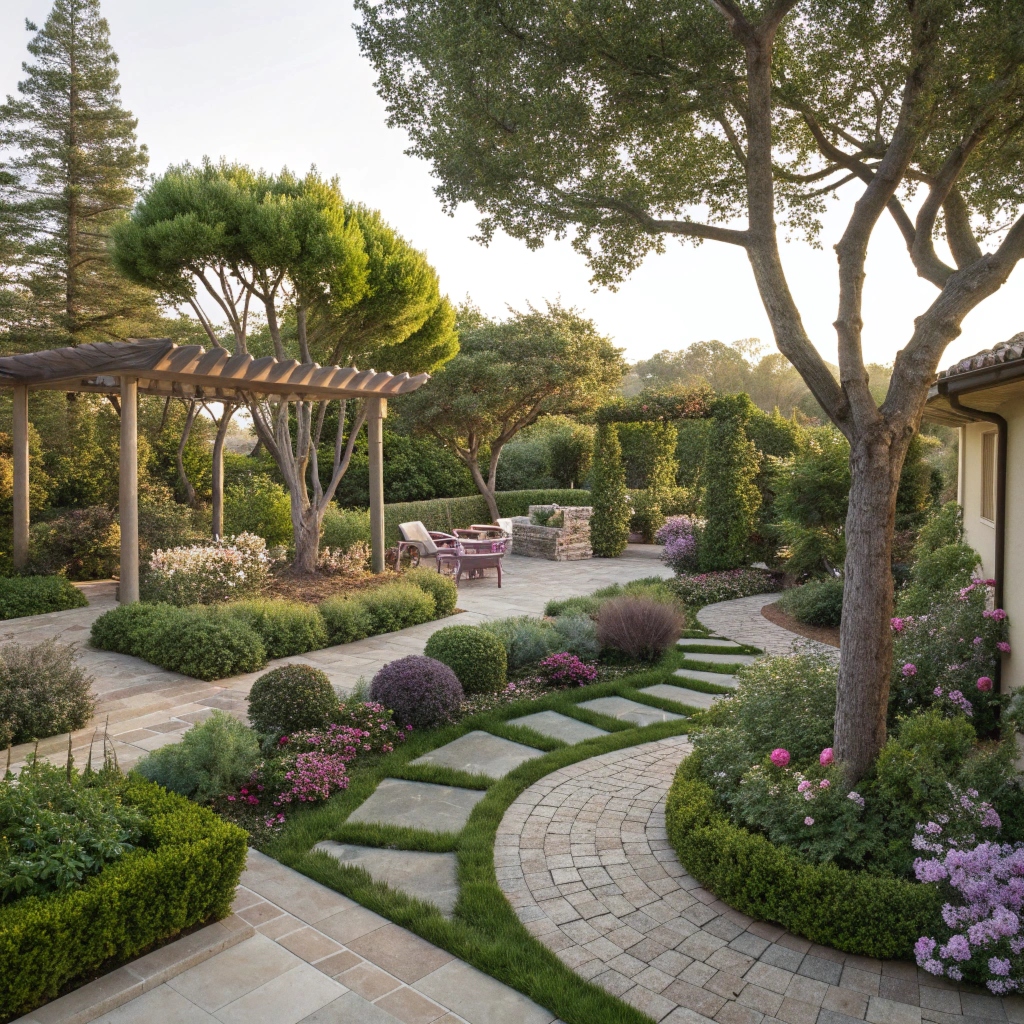
Layering plants with contrasting forms and textures to create visual depth and seasonal variation.

Compositions that provide structure in winter and dynamic change through spring, summer, and autumn.
Materials speak to the character of place. We select surfaces that reflect the surrounding landscape—local stone that echoes nearby rock formations, timber that connects to regional forests, and earth tones that ground the design in its specific location.
Texture becomes a primary consideration, creating tactile experiences that change with weather and time. Surfaces are chosen for how they age, how they respond to moisture and light, and how they feel underfoot.
The material palette remains restrained, allowing natural variation and weathering to provide visual interest rather than relying on decorative elements. This approach creates landscapes that feel timeless and deeply connected to their context.

Initial assessment of terrain, existing vegetation, microclimates, and the relationship between interior and exterior spaces.
Creating spatial concepts that respond to the site's natural character and the intended use of outdoor areas.
Choosing surfaces, textures, and finishes that align with the design concept and local context.
Developing plant palettes that create desired spatial effects while respecting ecological relationships.
Preparing detailed plans and specifications for the landscape design concept.
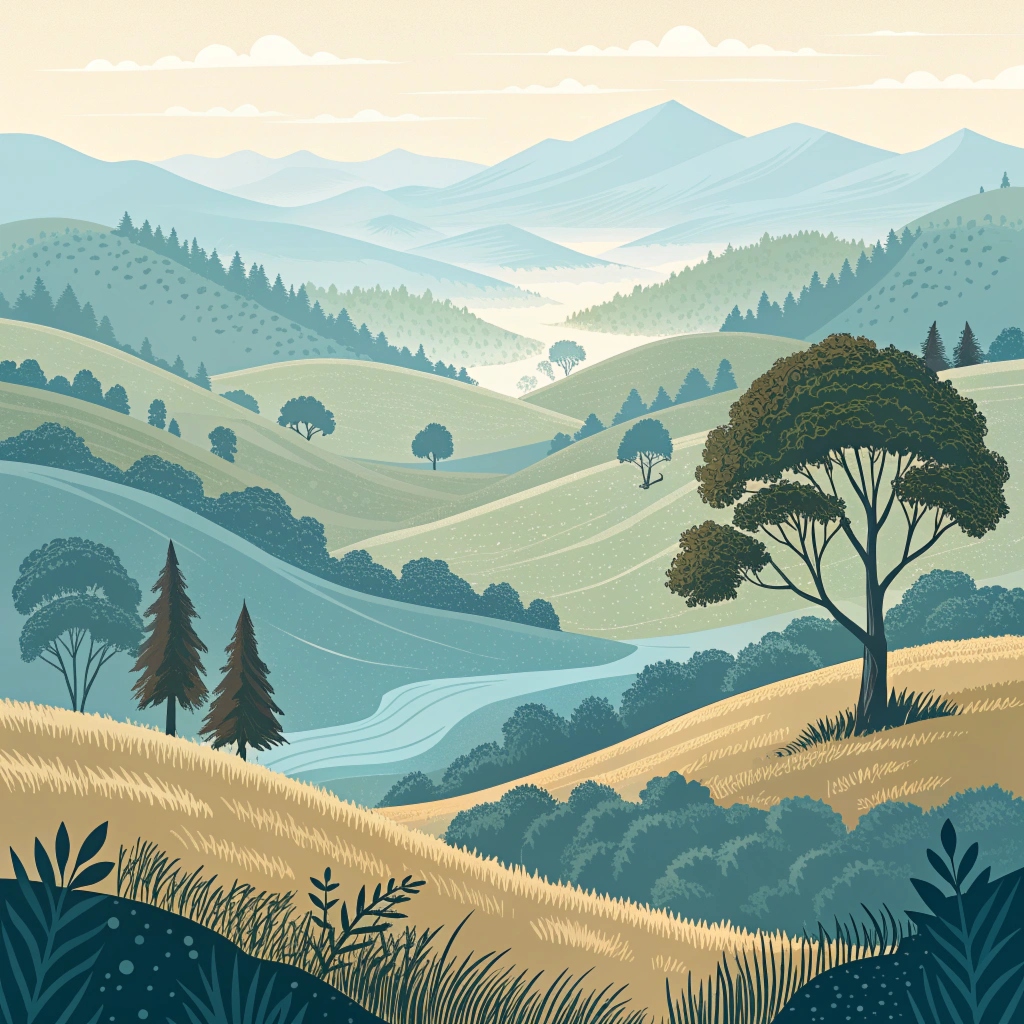
Each design responds to the specific character of the land, working with existing contours and natural features.
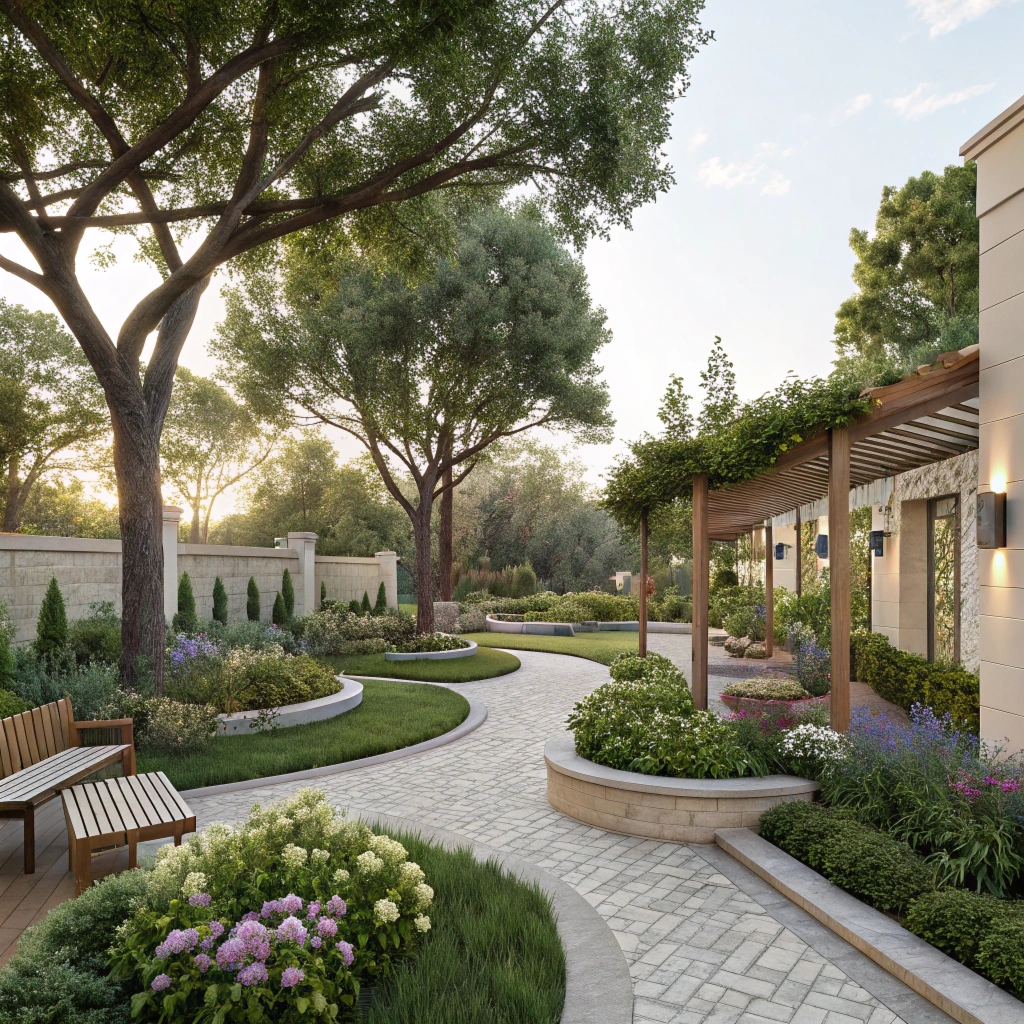
Outdoor spaces integrate with surrounding landscapes, creating seamless transitions between designed and natural areas.
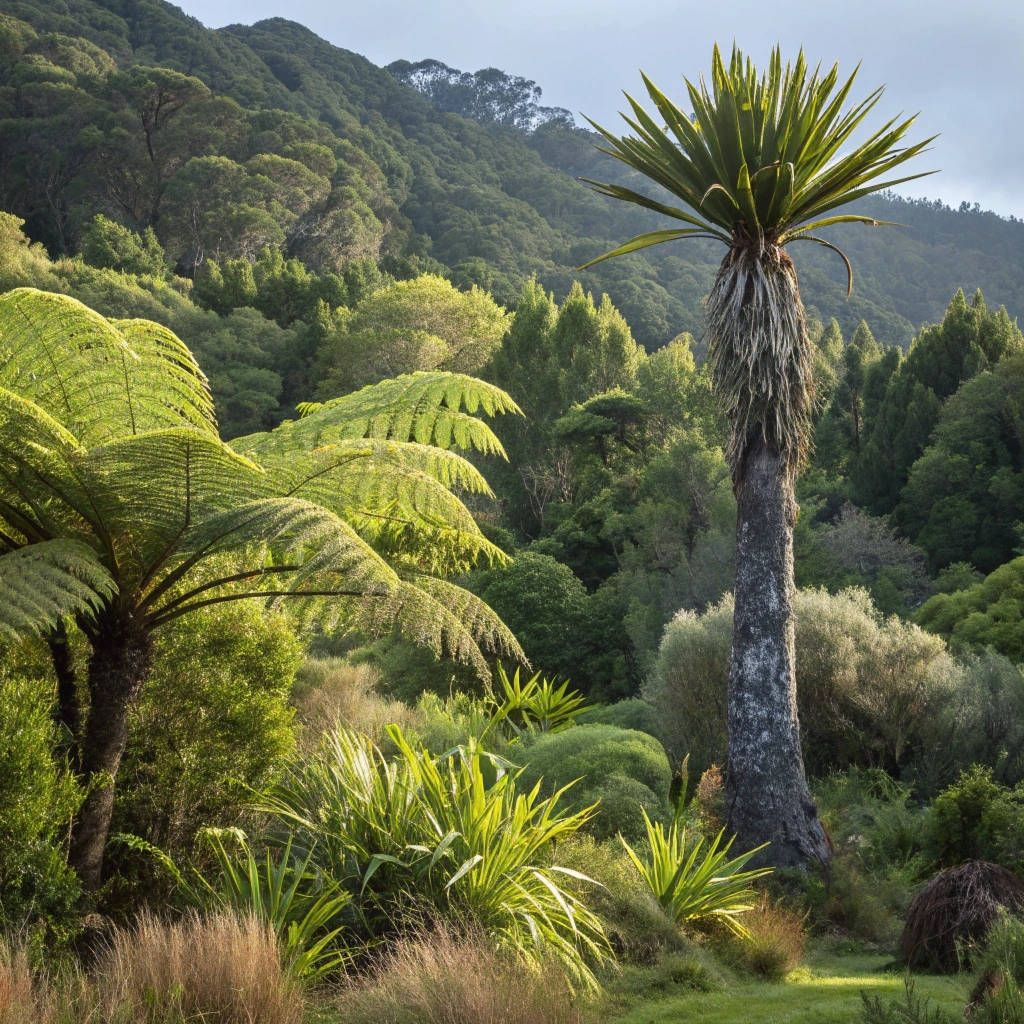
Material selections reflect local geology and vegetation, grounding designs in their specific geographic context.
Our approach to landscape design prioritizes environmental sustainability and ecological responsibility. We select plants that support local ecosystems and require minimal water and maintenance once established.
Material choices consider long-term environmental impact, favoring locally sourced materials that reduce transportation emissions and support regional economies. We design with water conservation in mind, creating landscapes that thrive with natural rainfall patterns.
Local sourcing also supports regional economies and ensures that materials are appropriate for local climate conditions. Materials that have been used successfully in the region for generations are often the best choice for new projects.
Understanding the natural character of each site
Selecting surfaces that age gracefully
Supporting local ecosystems and biodiversity
Designing for long-term development
Landscape design creates living compositions that evolve with time. Unlike static art forms, landscapes respond to seasons, weather, and growth, creating dynamic experiences that change with each visit.
This temporal quality makes landscape design uniquely engaging. A well-designed landscape offers new discoveries throughout the year, with different plants coming into prominence, materials weathering and developing patina, and spatial relationships shifting with seasonal growth.
The living quality of landscapes means that each visit can reveal something new—a plant coming into bloom, a material developing patina, or a spatial relationship that becomes apparent as plants mature. This ongoing evolution creates lasting value and engagement with outdoor spaces.
If you are considering a landscape design project, we welcome the opportunity to discuss your outdoor space.
Contact Us