Native Communities
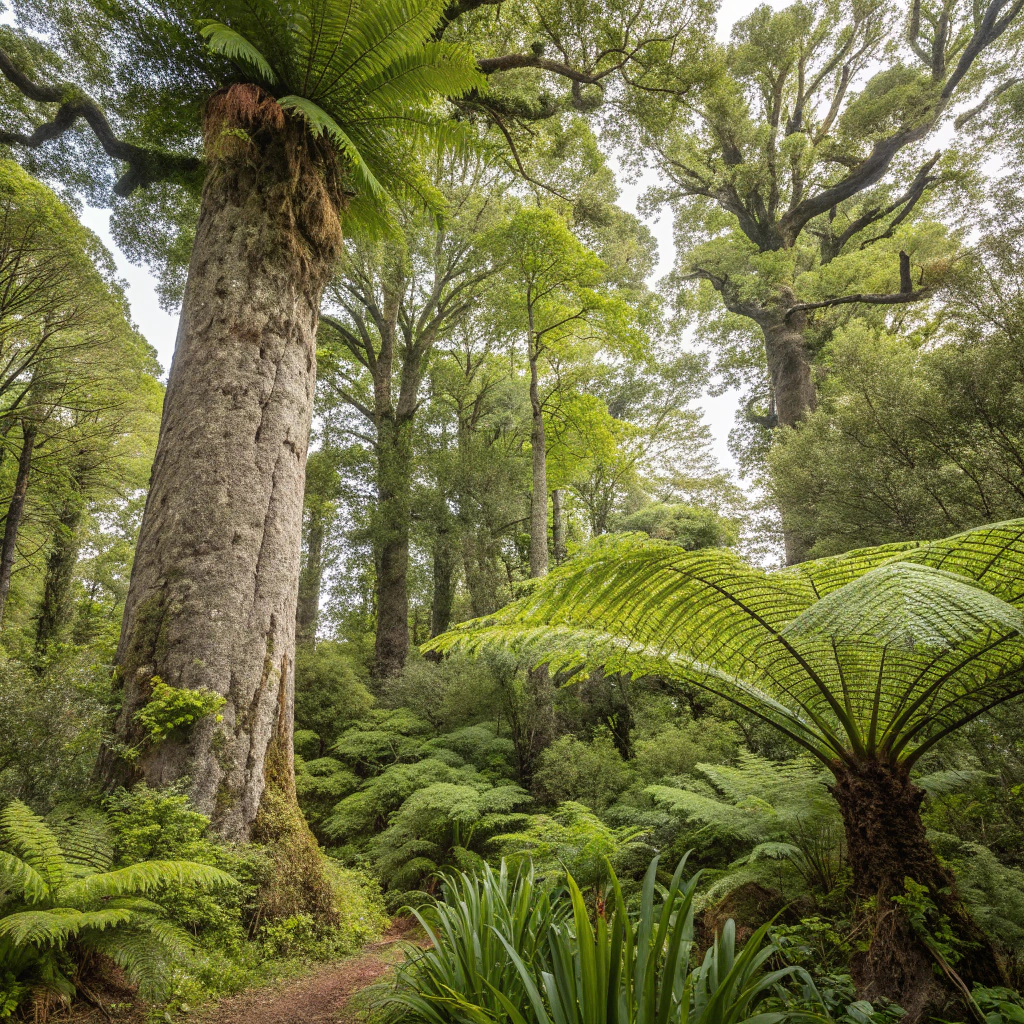
Selections from New Zealand's native flora, adapted to local conditions and supporting local ecosystems. Native plants provide ecological benefits while creating landscapes that feel deeply connected to place.
We consider natural plant associations, selecting species that grow together in the wild. This creates plant communities that are both visually cohesive and ecologically sound.
Textural Combinations
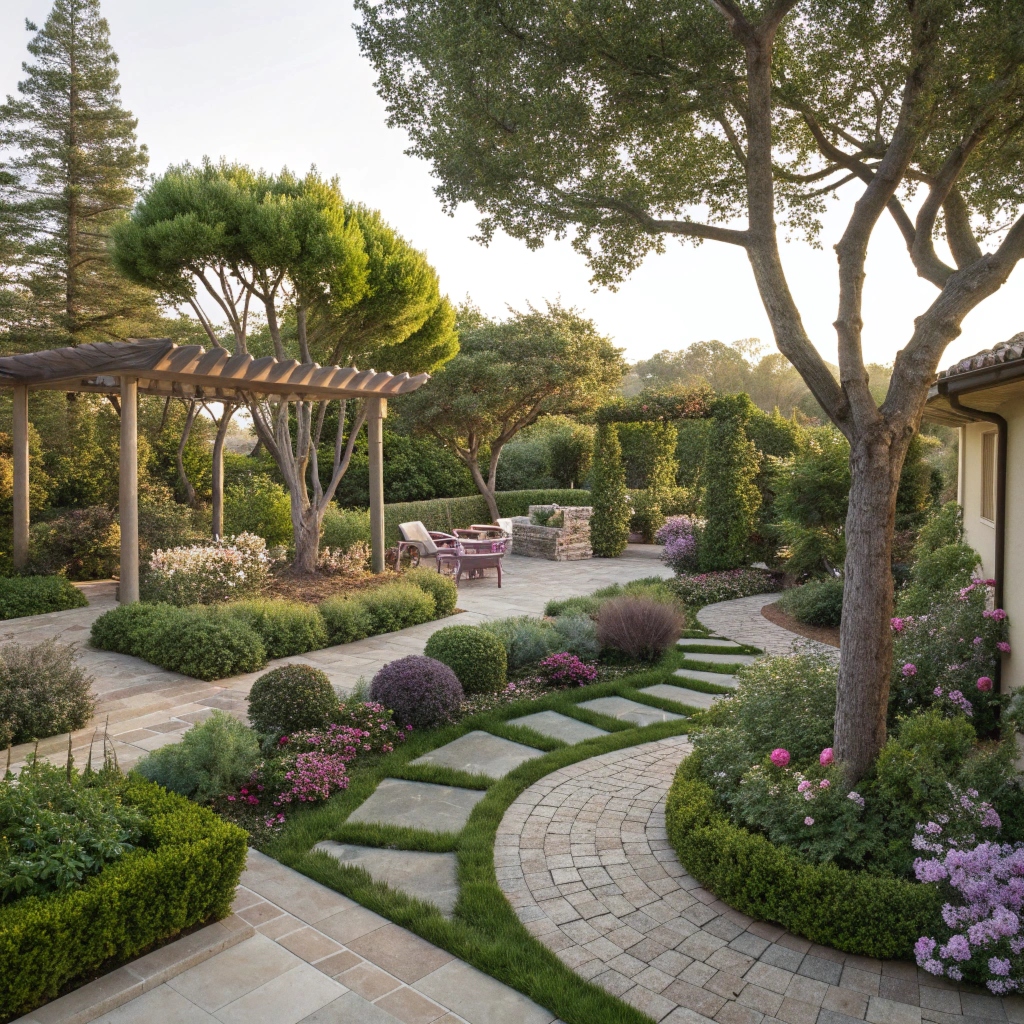
Layering plants with contrasting forms and textures to create visual depth. Fine-textured grasses combine with broad-leaved perennials, creating compositions that are interesting throughout the year.
Texture becomes a primary design element, with plants selected for their foliage characteristics as much as their flowers. This creates landscapes that remain visually engaging even when not in bloom.

Seasonal Interest
Compositions that provide structure in winter and dynamic change through spring, summer, and autumn. Evergreen elements provide year-round framework, while deciduous plants add seasonal variation.
We consider how plantings will look in each season, ensuring that landscapes remain visually engaging throughout the year. This includes considering winter structure, spring emergence, summer fullness, and autumn color.

Structural Forms
Plants selected for their architectural qualities, providing year-round structure and spatial definition. Trees and larger shrubs create framework, while perennials and grasses add seasonal layers.
We consider mature size and growth habits, spacing plants to allow for natural development over time. This creates landscapes that improve with age rather than becoming overcrowded.

Layered Composition
Creating depth through vertical layering, with ground covers, mid-height perennials, and taller structural elements. This creates visual interest and ecological diversity within plantings.
Layering also provides opportunities for seasonal succession, with different layers providing interest at different times of year. This creates dynamic compositions that change throughout the seasons.

Ecological Relationships
Considering how plants interact with each other and with the broader ecosystem. This includes considering soil relationships, water needs, and support for local wildlife.
Ecological thinking informs plant selection, creating landscapes that function as part of larger natural systems. This approach creates more resilient plantings that require less intervention over time.